Basement Floor Epoxy · Aurora

Basement Floor Epoxy in Aurora, IL

We coat Aurora basements to handle the damp slab under them, not just to look good the first week.

1-2 days installs · typical timeline
Free Quote

Free Basement Floor Epoxy quote.

We reply within 1 business hour. No spam, ever.

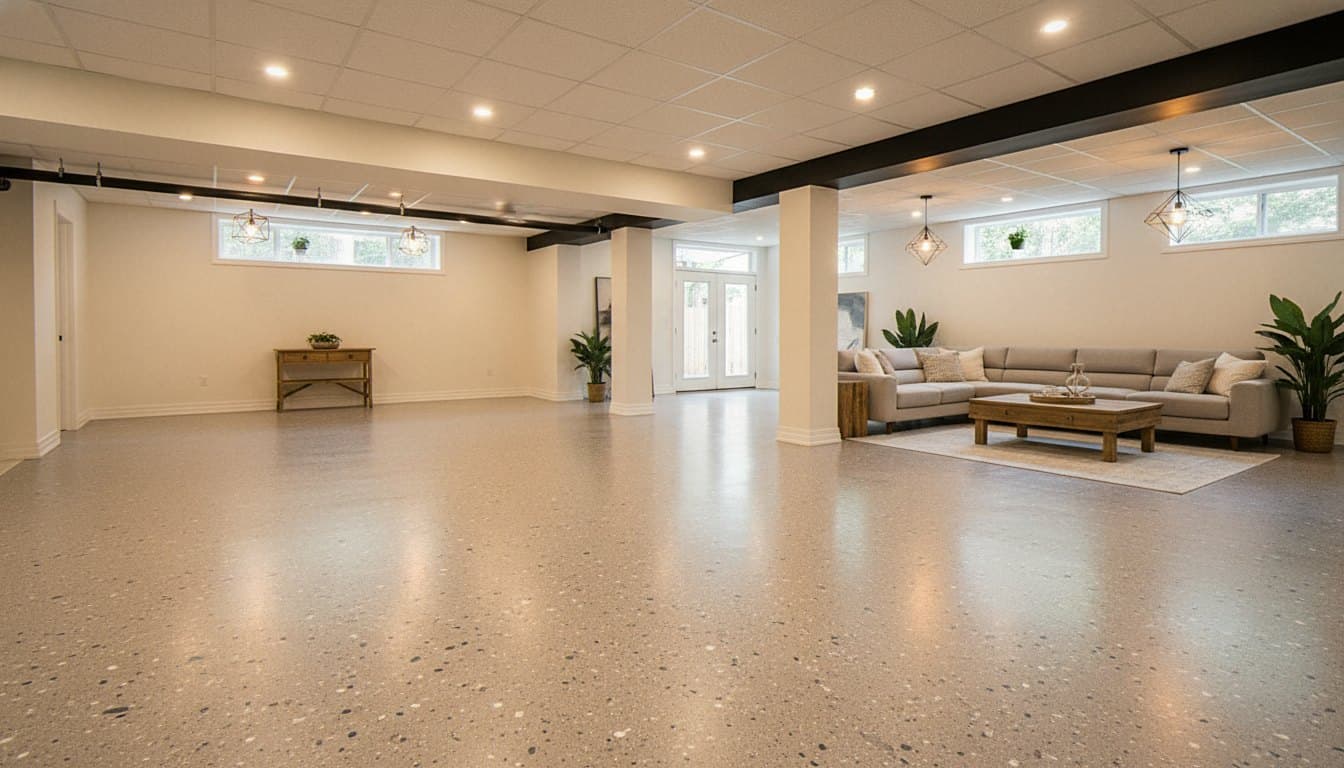
Finished basement with charcoal flake epoxy floor.
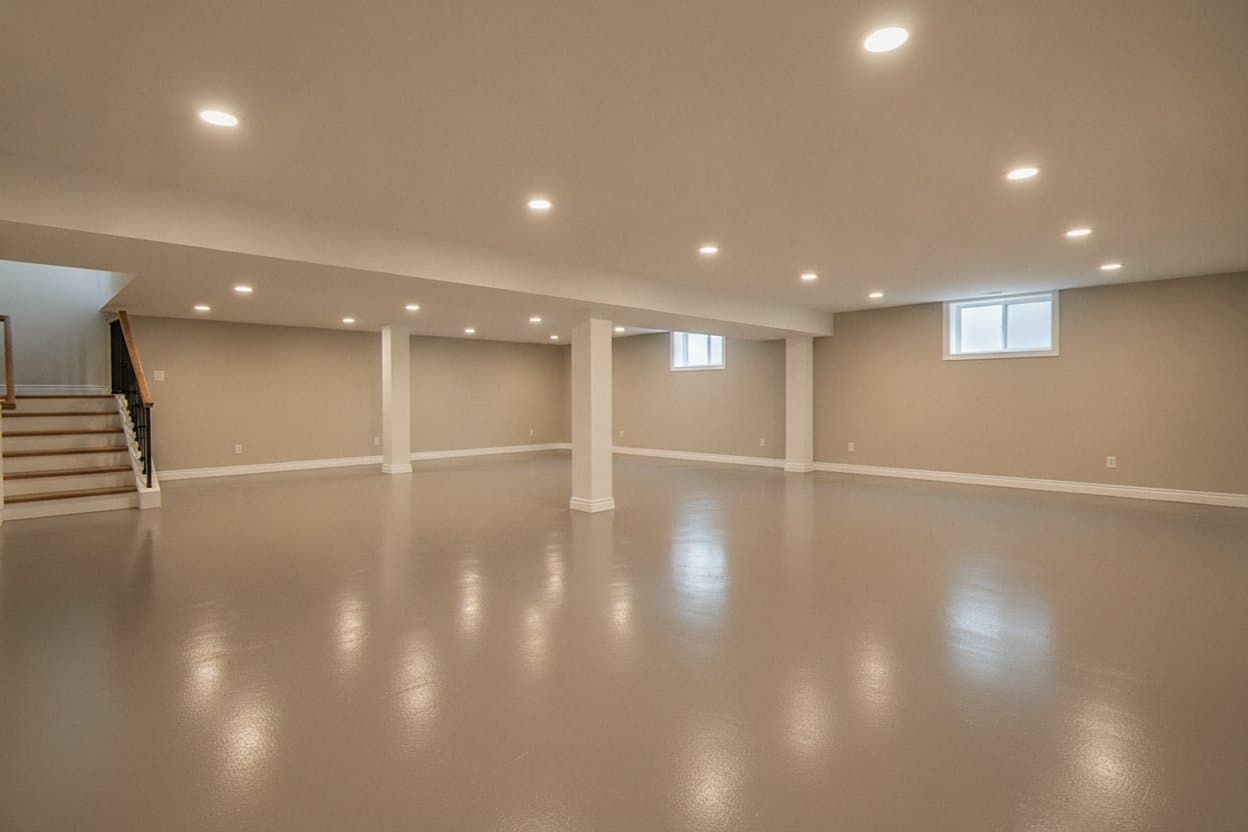
Aurora basement with bright flake epoxy floor.
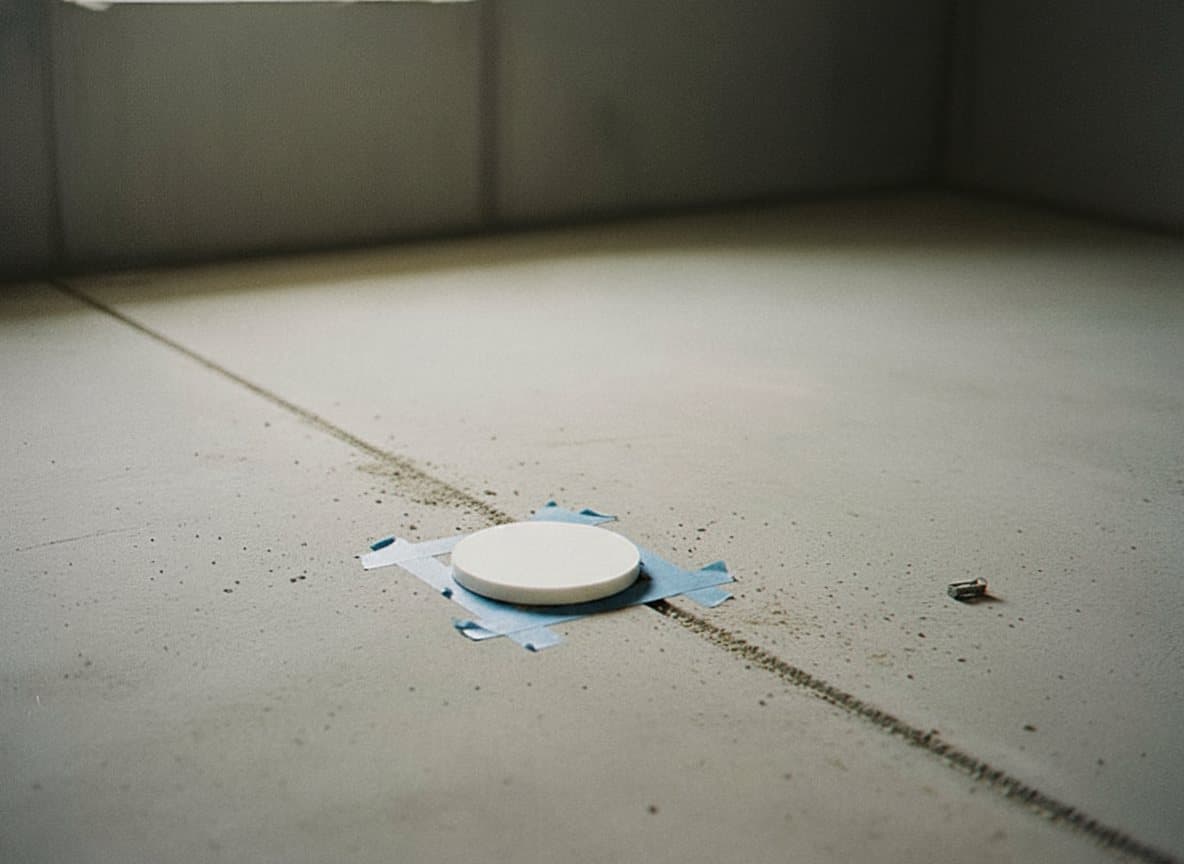
Bare basement slab prepped for epoxy application.
What we install

Why most basement coatings fail in the first humid summer

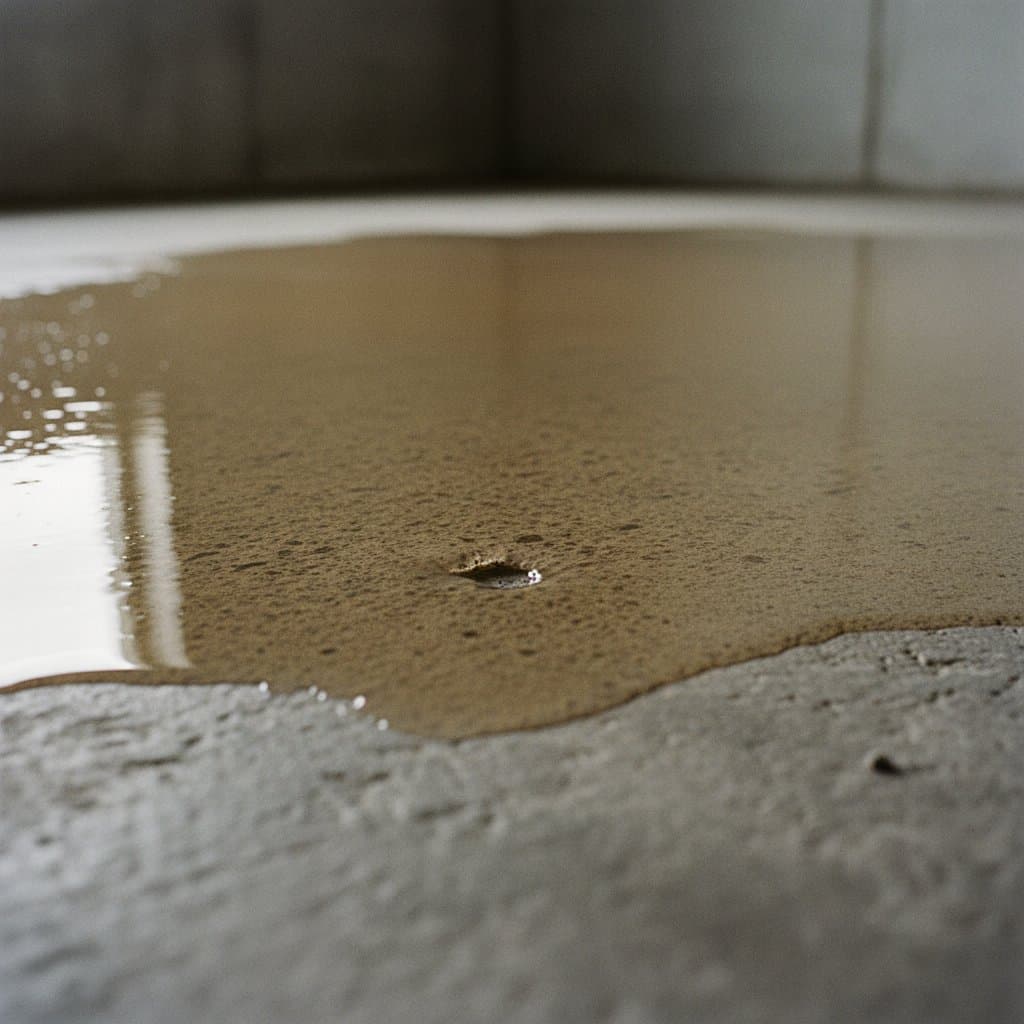
A basement slab in Aurora sits right against the soil. Water vapor pushes up through that concrete all year, and it gets worse once summer humidity rolls in off the Fox River. Most floor coatings that peel down here never failed because of foot traffic. They failed because nobody measured the moisture before the first bucket was opened. We start every basement the same way. We read the slab, then we pick a system the slab can actually hold.

The trouble shows up slowly. A little lift at the wall. A soft spot near the floor drain. Then a whole edge that you can peel back with a putty knife. Vapor pressure does that. It pries the coating off from below while the top still looks fine. The fix is not a thicker topcoat. The fix is a primer built to slow that vapor down, paired with a wear layer that shrugs off the rest of basement life.

  • One cleanable surface replaces bare concrete that sheds dust onto everything you store down there.
  • A bright base coat throws ceiling light around the room so the basement stops feeling like a cave.
  • The polyaspartic top layer holds its footing under furniture, weight benches, and wet shoes.
  • You can walk on the floor that evening, and most furniture comes back the next day.
  • Our crew runs fans and dehumidifiers during the cure, so the smell clears out before we pack up.
The slab is the patient. The coating is the prescription. Both have to match.

None of this depends on luck. It depends on the number we get off the slab. A dry Aurora basement might take a standard epoxy base and a clear top. A damp one near the river needs a vapor primer underneath, or the whole floor is on a clock. We would rather tell you that on the quote than have you call us back in a season.

If your Aurora basement floor is flaking, dusty, or you just want to finish the space, call us. We will read the slab, walk you through what it needs, and book the work. No runaround, no pressure, just a straight plan for the floor you have.
Materials

A basement system is not a garage system in lighter pigment

People assume a basement floor is just a garage floor in a softer color. It is not. A garage slab breathes through an open door all day. A basement slab is sealed under your house with damp soil on every side. That changes the primer, the build, and even the flake we choose. We spec the system around moisture first and looks second.

The base coat matters more down here than in a garage. A bright neutral tone bounces light and makes a low ceiling feel taller. We keep the flake lighter and a little more open so the floor grips wet feet without reading as busy. The clear top seals the whole thing and stays clear under a window well where sun would yellow a cheaper finish.

  • The moisture disc number picks the primer, not anyone's gut feel.
  • A bright base coat lifts the whole room instead of darkening it.
  • Lighter, open flake adds grip without the busy garage pattern.
  • A polyaspartic top seals humidity out and stays clear by a window well.
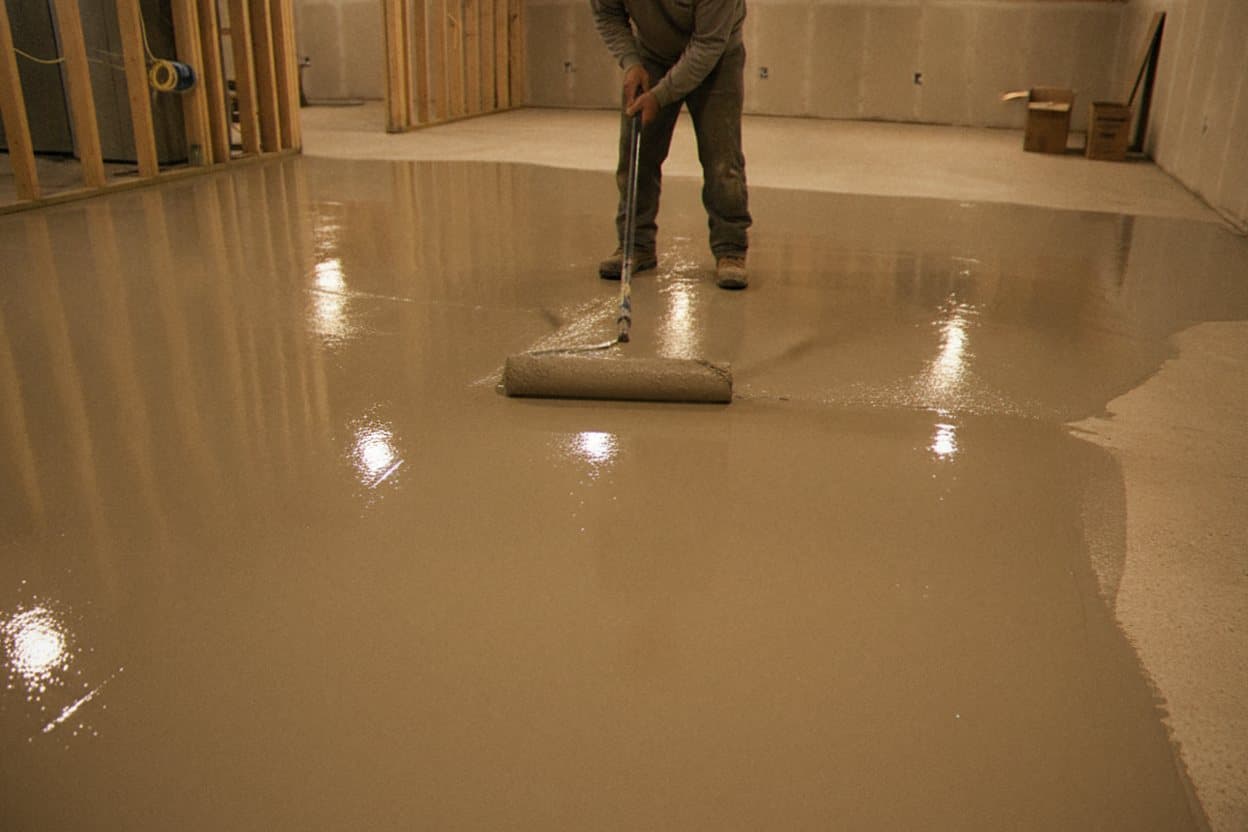
Epoxy base coat rolling across a basement slab.
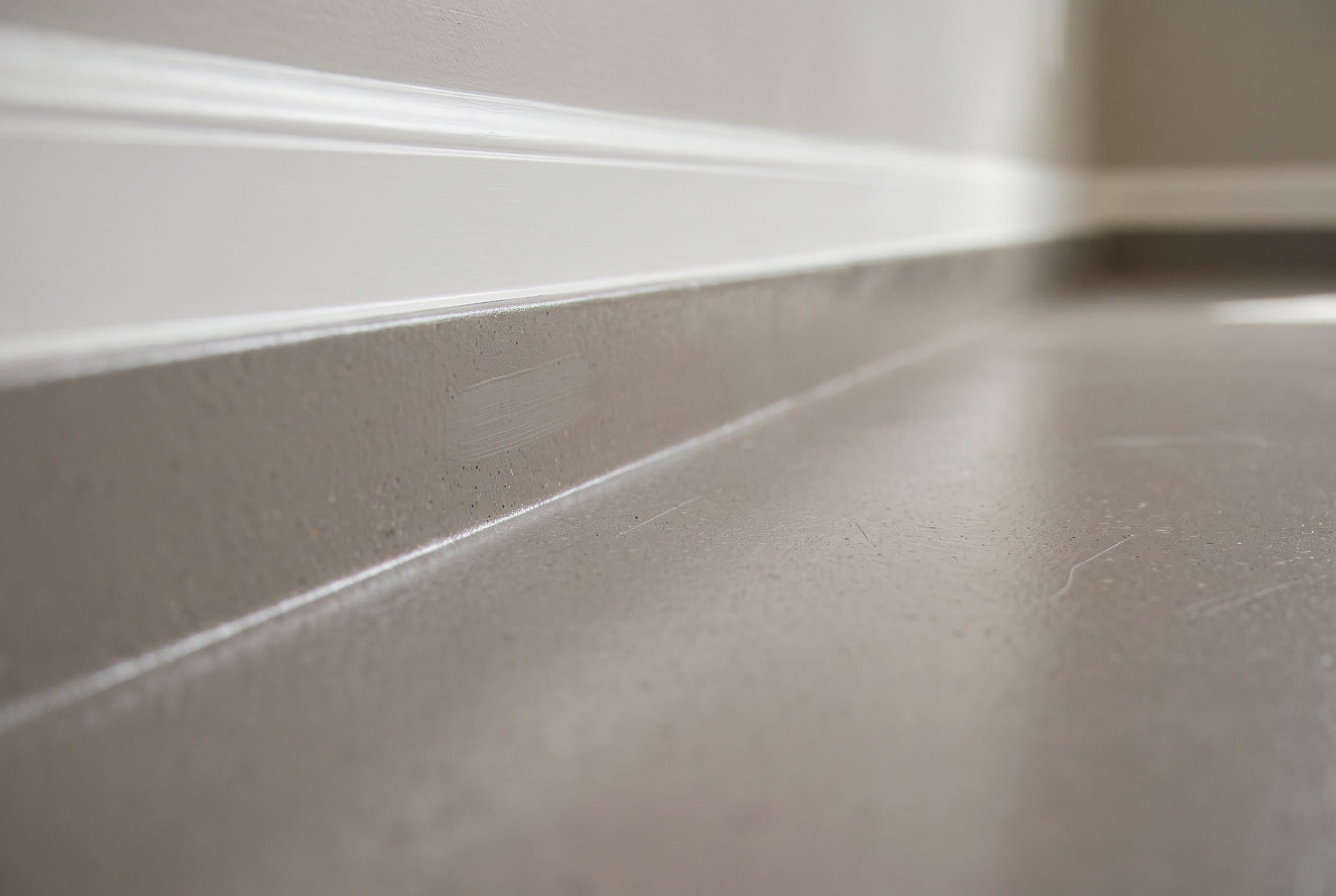
Coved edge where epoxy meets a basement wall.
What about the alternatives?

Other basement floor approaches and how they hold up here

Plenty of options promise a finished basement floor. Down here, with damp soil under the slab, most of them work against you. Here is how the common choices actually hold up in an Aurora basement.

Concrete paint or stain

The cheapest cosmetic pass. It lifts at the walls and the floor drain inside one wet season, then you are repainting a peeling floor.

Skip

Peel and stick LVP or vinyl tile

The glue gives up the moment vapor pushes through the slab, so planks cup, edges curl, and a musty smell settles in under them.

Skip

Modular carpet tile

It can work on a proven dry slab, but it still soaks up any leak, so one wet spring can mean pulling tiles to dry the floor.

Acceptable

Engineered hardwood on sleepers

It traps a hidden air gap right where basement moisture collects, and that is where mold and rot like to start.

Skip

Vapor mitigating epoxy plus polyaspartic

A system built for a damp slab. The primer slows the vapor, the top layer takes the wear, and the floor stays put.

Recommended
How it goes

From quote to walk-on, fast.

01

Your inquiry

Call or send the short form with what is going on at your place. A sentence or two is plenty for the first step.

02

We talk it through

We go over the situation on the phone, ask the questions that matter, and tell you what we would do next.

03

A clear plan

You get a plain-language rundown of the work, the order it happens in, and what to expect on the day.

04

The work gets done

Our crew shows up when we said, does the job, and walks you through the result before leaving.

Before you book

Questions to ask before signing a basement quote

A basement quote is easy to lowball by skipping the steps you cannot see. These are the questions that tell you whether the floor will last or just look good on day one.

Does the quote include the actual vapor reading?
It should. A real basement quote starts with a moisture test on your slab, not a guess. We tape calcium chloride discs down, leave them in place, and read the number that comes back. That number tells us which primer the floor needs. If a quote skips the test, you are paying for a coating that was chosen blind.
How long is the cure smell going to last in the house?
Less than you fear when the crew sets up right. We run exhaust fans and dehumidifiers through the install and the cure. That pulls the off gassing out of the basement instead of letting it drift upstairs. Most of the smell is gone by the time we leave, and it clears fully within a day.
What if there is standing water or an old failed coating?
We handle both before any new product goes down. Standing water means we find the source first, because no coating sticks to a slab that keeps getting wet. An old failed coating gets ground off down to sound concrete. We never bury someone else's peeling floor under ours and hope it holds.
How does the grinding dust stay out of the rest of the house?
Diamond grinding throws fine concrete dust. We run the grinder with a vacuum shroud right at the head, vented into a HEPA extractor, so most of it never gets airborne. Then we seal the basement door off from the rest of the house with plastic and tape during the dusty steps. Skip that, and the dust rides the furnace return and lands on every surface upstairs.
When can the furniture come back down?
Faster than with an old style epoxy. A polyaspartic top is walk ready the same evening and ready for furniture the next day. Heavy items like a weight rack we ask you to hold off on for a couple of days, so the floor reaches full hardness first. We tell you the exact timing for your floor before we leave.
Aftercare

Keeping a finished basement bright across the years

A coated basement floor asks for almost nothing. There is no grout to scrub and no carpet to dry out after a damp spring. A quick sweep and the odd mop is the whole job. The habits below keep it looking like the day we finished, year after year.

  • Sweep or vacuum once a week, because fine grit acts like sandpaper if it sits.
  • Wipe spills when you see them, since the sealed top gives you time but dried messes still dull the shine.
  • Mop with plain warm water or a mild floor cleaner, and skip harsh solvents that can cloud the finish.
  • Put felt pads under stored furniture and shelving so the legs do not scuff the top layer.
  • Knock road salt and slush off your boots at the stairs in winter so it does not sit and stain.
Close-up of flake epoxy on a basement slab.
FAQ

What Aurora owners ask about basement coatings

Do you install epoxy flooring across the Aurora area?
Yes. We install epoxy flooring throughout Aurora and the nearby Kane County and Kendall County towns, including North Aurora, Montgomery, Oswego, and Naperville. Our own crew does the prep, the pour, and the finish, and we pick up the phone when you call. Set a time with us and we will come read your concrete in person.
What separates epoxy from polyaspartic, in practice?
Epoxy lays down a thick, hard base that grips clean concrete and gives the floor its body. Polyaspartic is different. It cures fast, sometimes in a single day, and it holds its color better under harsh light. On most Aurora garage floors we combine the two, so you get a tough base under a quick, durable top coat.
How are coating jobs typically priced in this market?
It depends on the floor. Size is the biggest factor, and the condition of your slab matters too, since cracks and worn old coatings call for extra prep. The system you choose shifts things as well, because a plain solid color is simpler to install than a metallic or flake finish. We measure the space, read the concrete, and walk you through the full scope before any work begins.
Are winter installs realistic in the Aurora area?
They are. Aurora winters bring real cold and snow, so we track the slab temperature and the humidity before we coat anything. A heated garage helps a lot. Some polyaspartic systems also cure well in cooler air, and we time the work so your epoxy flooring sets correctly through the colder months.
Will the floor pick up or stain under hot tires?
A fully cured floor resists hot tire pickup, the problem where warm rubber tugs at a weak finish. Prep is everything. We grind the concrete to a clean profile and let each coat cure fully before you park on it. We also lean on polyaspartic top coats, since they shrug off heat and harsh stuff. Done right, your epoxy flooring stays put and wipes clean.
Ready when you are

Let's make your next steps easier

Tell us what is going on at your Aurora home and we will walk you through the options. One call or one short form is all it takes.

Call (331) 256-2716Make your inquiry
CallContact us